
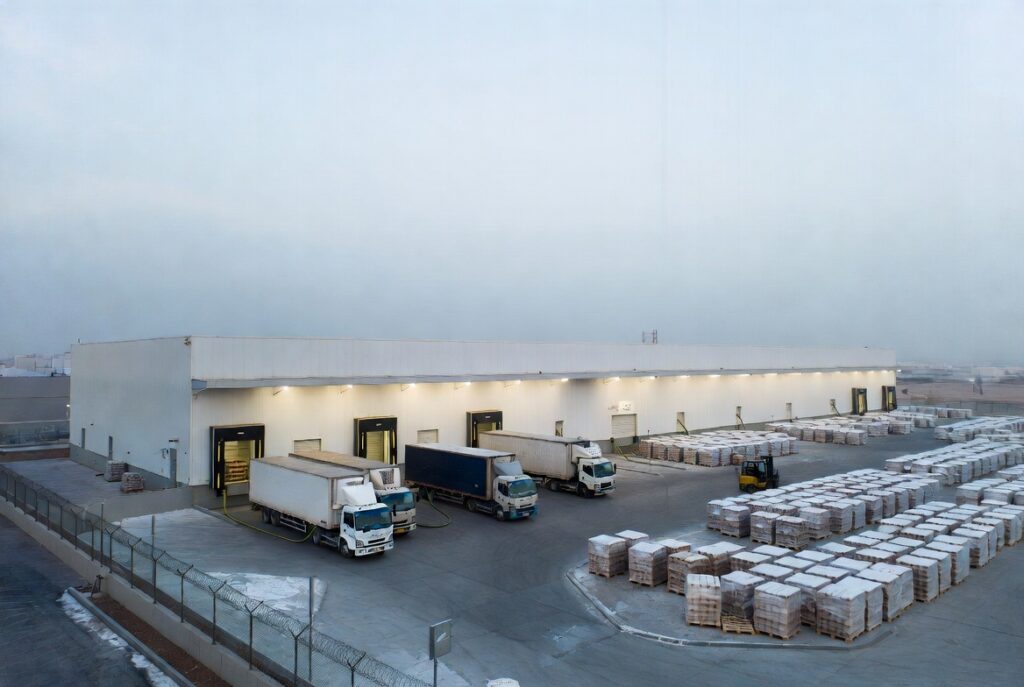
Introduction to Frozen Storage
Frozen storage plays a vital role in preserving perishable goods, ensuring food safety, extending shelf life, and supporting efficient supply chains across industries. By maintaining temperatures typically at -18°C or lower, frozen storage prevents bacterial growth, minimizes spoilage, and locks in nutritional value and quality for products like meat, seafood, dairy, ready meals, vegetables, and even pharmaceuticals.
In a country like Saudi Arabia, with its hot climate, rapid urbanization, and ambitious Vision 2030 goals for food security and economic diversification, reliable frozen storage has become indispensable. It bridges the gap between imports, local production, and consumers, reducing food waste and enabling year-round availability of essential items. This guest post explores the significance of frozen storage, its applications in Saudi Arabia and Riyadh specifically, key benefits, technologies, and why Units (units.sa) stands out as a top provider in the Kingdom.
What is Frozen Storage and Why Does It Matter?
Frozen storage refers to specialized warehousing facilities equipped with advanced refrigeration systems designed to keep goods at sub-zero temperatures. Unlike standard refrigeration (chilled storage, usually 0°C to 4°C), frozen storage halts microbial activity almost completely, allowing products to remain viable for months or even years.
Key applications include:
- Food Industry: Frozen meats, poultry, seafood, fruits, vegetables, ice cream, and processed foods.
- Pharmaceuticals: Certain vaccines, biologics, and temperature-sensitive medicines.
- Logistics and Distribution: Acting as hubs for importers, manufacturers, retailers, and exporters.
In Saudi Arabia’s context, where a large portion of food is imported and domestic production (like poultry and dairy) is expanding, frozen storage ensures supply chain resilience against extreme heat, seasonal demands (e.g., Ramadan and Hajj), and logistical challenges.
Without proper frozen storage, businesses face significant losses from spoilage, regulatory non-compliance, and reputational damage. Professional facilities offer not just space but also monitoring, inventory management, and compliance with standards from the Saudi Food and Drug Authority (SFDA).
The Growing Demand for Frozen Storage in Saudi Arabia
Saudi Arabia’s cold chain and frozen storage sector is experiencing explosive growth, driven by Vision 2030 initiatives, population growth, urbanization, and rising demand for convenience foods. The cold storage market is projected to grow robustly, with frozen segments playing a major role due to increasing consumption of packaged and frozen products.
Factors fueling this boom:
- Urbanization and Lifestyle Changes: Over 84% urban population prefers ready-to-eat and frozen options for convenience.
- Food Security Goals: Reducing reliance on imports and minimizing waste through better preservation.
- Retail and E-commerce Expansion: Supermarkets, hypermarkets, and online grocery platforms require reliable cold chains.
- Pharma and Healthcare: Need for ultra-low temperature storage for vaccines and biologics.
- Infrastructure Investments: Development of ports, logistics hubs in Riyadh, Jeddah, and Dammam.
The Kingdom’s frozen food market alone reflects strong momentum, supported by advanced cold chain infrastructure that maintains quality from port to plate.
Frozen Storage in Saudi Arabia has evolved from basic warehouses to smart, technology-driven facilities with IoT monitoring, energy-efficient systems, backup power, and Warehouse Management Systems (WMS). This supports industries from FMCG to hospitality, ensuring compliance and efficiency in harsh desert climates.
Frozen Storage in Riyadh: The Logistics Heartland
Riyadh, as the capital and economic powerhouse, serves as a central hub for frozen storage in Saudi Arabia. Its strategic location, proximity to major transport networks, airports, and growing population make it ideal for distribution.
Frozen Storage in Riyadh addresses unique demands:
- High-volume storage for imported proteins, dairy, and processed foods.
- Support for local manufacturers and large retail chains.
- Seasonal spikes during festivals and events.
- Integration with national rail and road networks for nationwide reach.
Facilities in Riyadh feature multi-temperature zones (frozen, chilled, ambient), allowing flexible storage. Modern sites emphasize sustainability, with energy-efficient cooling to combat high ambient temperatures. Demand in Riyadh is particularly strong due to its role as a distribution center, with cold storage capacity expanding rapidly to meet retail, HoReCa (Hotels, Restaurants, Cafes), and e-grocery needs.
Challenges like power reliability and skilled labor are met by leading providers through advanced infrastructure and training.
Benefits of Professional Frozen Storage Solutions
Partnering with expert frozen storage providers delivers numerous advantages:
- Extended Shelf Life and Reduced Waste: Precise temperature control preserves quality and cuts losses significantly.
- Food Safety and Regulatory Compliance: Maintains SFDA standards, prevents contamination, and ensures traceability.
- Cost Efficiency: Outsourcing avoids heavy capital investment in own facilities, reduces energy bills, and optimizes inventory.
- Supply Chain Optimization: Real-time monitoring, faster turnaround, and better inventory management via WMS.
- Scalability: Flexible space for seasonal or business growth without fixed overheads.
- Sustainability: Modern facilities use eco-friendly refrigerants and energy-saving technologies, aligning with national green goals.
- Product Integrity: Maintains taste, texture, and nutritional value, boosting customer satisfaction.
For businesses in Saudi Arabia, these benefits translate to competitive advantage in a market where quality and reliability differentiate leaders.
Technologies Powering Modern Frozen Storage
Today’s facilities go beyond basic freezers:
- IoT and Real-Time Monitoring: Sensors track temperature, humidity, and alerts for deviations.
- Automated Systems: Racking, robotics, and conveyor systems for efficiency.
- Energy-Efficient Refrigeration: Ammonia or CO2-based systems with low global warming potential.
- Warehouse Management Software: Integrates with ERP for seamless operations.
- Backup and Redundancy: Generators and failover systems for uninterrupted cooling.
In Saudi Arabia, these technologies help overcome climatic challenges and support Vision 2030’s logistics ambitions.
Why Units (units.sa) is a Top Choice for Frozen Storage in Saudi Arabia
When it comes to reliable Frozen Storage in Riyadh and across Saudi Arabia, Units emerges as a leading provider. With a strong presence and commitment to excellence, Units offers specialized freezing warehouses that maintain consistent low temperatures ideal for high-sensitivity goods such as meats, ready-to-eat meals, seafood, and more.
Units stands out with:
- Multi-Temperature Capabilities: Dry, ambient, chilled, and frozen storage under one roof for end-to-end solutions.
- Advanced Infrastructure: State-of-the-art facilities with smart inventory control via WMS.
- Strategic Locations: Optimized for Riyadh and national distribution.
- Flexibility and Scalability: Tailored plans for wholesale, retail, food & beverage, and other sectors.
- Focus on Quality and Compliance: Ensuring safety, traceability, and efficiency.
- Customer-Centric Approach: Supporting businesses of all sizes with secure, clean, and reliable environments.
Whether you’re an importer securing stock, a manufacturer managing production overflow, or a retailer balancing inventory, Units provides the expertise and capacity needed in Saudi Arabia’s dynamic market. Their solutions help businesses reduce risks, control costs, and focus on growth.
Future Trends in Frozen Storage
The sector is poised for further innovation:
- Greater adoption of AI for predictive maintenance and demand forecasting.
- Sustainable practices, including solar-powered cooling.
- Deeper integration with e-commerce cold delivery.
- Expansion into ultra-low temperature storage for advanced pharma.
- Enhanced last-mile solutions aligned with Saudi logistics strategies.
Businesses that partner with forward-thinking providers like Units will thrive in this evolving landscape.
Conclusion
Frozen storage is far more than just cold rooms—it is a strategic asset enabling food security, business efficiency, and consumer satisfaction in Saudi Arabia. As demand surges in Frozen Storage in Saudi Arabia and particularly Frozen Storage in Riyadh, choosing the right partner is crucial.
Units (units.sa) exemplifies excellence in this field, offering top-tier facilities, technology, and service that position them as a leading company in the Kingdom. By leveraging professional frozen storage, businesses can minimize waste, ensure compliance, and build resilient supply chains ready for the future.
Invest in quality frozen storage today to secure your success tomorrow. Visit units.sa to explore tailored solutions that meet your specific needs.
(Word count: approximately 2050)
5 FAQs
1. What temperature is typically maintained in frozen storage facilities in Saudi Arabia? Frozen storage usually operates at -18°C or below to ensure long-term preservation of goods like food and pharmaceuticals.
2. How does frozen storage benefit food businesses in Riyadh? It extends shelf life, reduces spoilage in hot climates, supports efficient distribution, and helps meet peak seasonal demands while complying with regulations.
3. What types of products are best suited for professional frozen storage? Meats, seafood, poultry, frozen vegetables, ready meals, ice cream, and certain dairy or pharma products that require consistent sub-zero temperatures.
4. Why should I choose Units for frozen storage needs in Saudi Arabia? Units offers modern, multi-temperature facilities with advanced WMS, strategic locations (including Riyadh), flexibility, and a strong focus on quality and customer service.
5. Are there sustainability considerations in modern frozen storage? Yes, leading providers use energy-efficient systems, low-GWP refrigerants, and monitoring tools to reduce environmental impact while maintaining performance.