Net Metering in Pakistan 2026: How Solar Installation Pays You Back
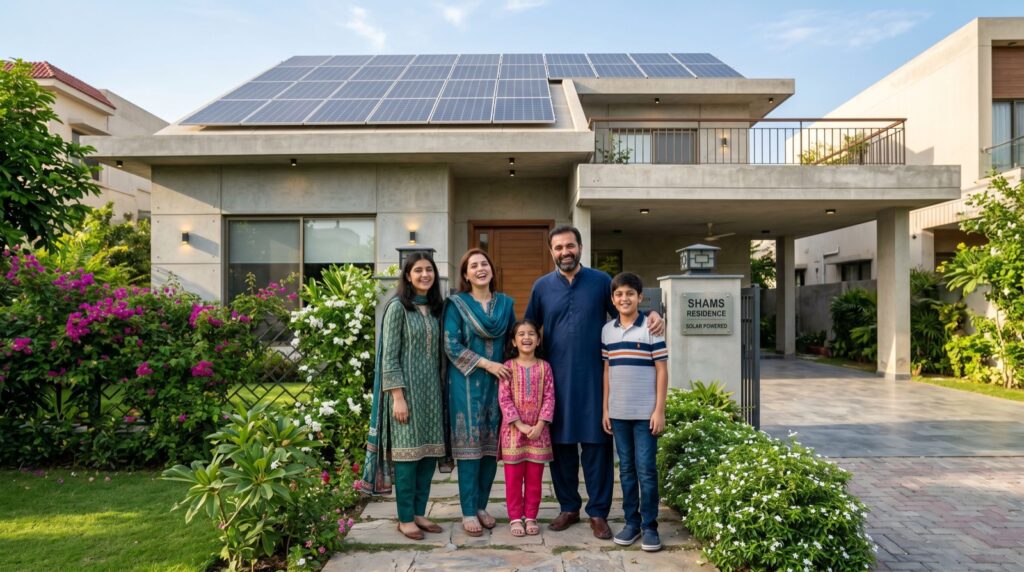
Every month your electricity bill climbs, and every month you wonder where the money goes. In 2026, thousands of Pakistani households have flipped that equation by feeding surplus power back to the grid. The mechanism is called net metering, and paired with a proper solar installation, it turns your rooftop into a small revenue engine rather than a cost center.
This guide walks through how net metering actually works in Pakistan, the numbers behind the payback, and the practical decisions that separate a smart rooftop project from an expensive mistake.
What Net Metering Actually Means for a Pakistani Home
Net metering is a billing arrangement. Your solar system generates power during daylight hours. Whatever your appliances do not consume flows into the national grid, and your bidirectional meter spins backward, crediting your account.
At night or on cloudy days you draw from the grid as usual. At the end of the billing cycle, the distribution company nets your exports against your imports. If you exported more than you imported, that surplus carries forward as a credit.
The Kohat and wider Khyber Pakhtunkhwa region gets strong irradiance, which means a well-sized array often produces more in summer than a typical family uses during the day. That surplus is exactly what net metering rewards.
Who Regulates It?
The framework comes from the National Electric Power Regulatory Authority. Their distributed generation regulations govern how homeowners connect and how credits are calculated. You can read the official rules directly on the NEPRA website before signing any contract, which I always recommend so you know the buyback terms your installer quotes are real.
The Real Payback Math in 2026
Numbers beat sales pitches. Below is a realistic breakdown for a mid-sized home in Kohat running a 5 kW system, based on 2026 component pricing and average tariffs.
| Item | 5 kW On-Grid System | 7.5 kW On-Grid System |
|---|---|---|
| Estimated installed cost | Rs 850,000 | Rs 1,200,000 |
| Daily generation (avg) | 20–24 units | 30–36 units |
| Monthly bill offset | Rs 22,000–28,000 | Rs 34,000–42,000 |
| Typical payback period | 2.8–3.5 years | 2.6–3.2 years |
| Panel warranty | 25–30 years | 25–30 years |
The headline is simple. After roughly three years, the system has paid for itself. For the remaining two decades of panel life, you are essentially generating free electricity plus grid credits.
Why Payback Shortened This Year
Two trends collided in 2026. Grid tariffs kept rising, while panel prices kept falling. According to the IRENA renewable cost tracking, global solar module prices have dropped dramatically over the past decade, and Pakistani importers passed much of that saving to buyers. That is why the same rooftop that took five years to break even in 2021 now pays back in under three.
Sizing Your System Correctly
Oversizing wastes money. Undersizing leaves savings on the table. Use this sequence to get it right:
- Pull your last twelve electricity bills and note your monthly units consumed.
- Divide the highest month by 30 to find your peak daily consumption.
- Match array size so daytime generation covers most of that daytime load.
- Confirm your sanctioned load with the distribution company, since net metering approval is capped near it.
- Leave a small margin for future appliances like an EV charger or extra air conditioning.
A quick tip from real installations: households that run heavy daytime loads, such as home offices or businesses, benefit most because they consume solar power directly instead of exporting it at a lower buyback rate.
Components That Matter
Not every part deserves equal attention. Prioritize spending in this order:
- Panels: the long-life asset. Choose Tier-1 modules with strong degradation warranties.
- Inverter: the brain. A reliable grid-tie or hybrid unit protects your whole system.
- Mounting structure: often ignored, yet it must survive KP wind loads for 25 years.
- Cabling and protection: cheap wiring causes losses and fire risk.
When you decide to buy solar panels in Pakistan, insist on genuine datasheets and verifiable serial numbers so you are not paying Tier-1 prices for grey-market stock.
Comparing Solar Against Other Home Investments
Pakistani families weigh many uses for a lump sum. A rooftop system deserves a fair comparison against the usual alternatives, because few of them return money as reliably.
| Investment | Typical Annual Return | Risk Level | Extra Benefit |
|---|---|---|---|
| 5 kW solar system | ~30% via bill savings | Low | Backup-ready if hybrid |
| Bank savings certificate | Fixed profit rate | Low | Fully liquid |
| Property rental | Variable yield | Medium | Capital appreciation |
The solar return is unusual because it is effectively tax-free and inflation-linked. As grid tariffs rise, the value of each self-generated unit rises with them. That built-in hedge is something a fixed savings product cannot match.
There is also a lifestyle dividend. Stable, affordable power lets families run fans, air conditioning, and appliances without rationing, which matters for comfort and even health during brutal Kohat summers. You are buying reliability as much as savings.
Financing the Purchase
Not everyone pays cash. In 2026, several banks offer solar financing, and some suppliers arrange installment plans. When you calculate returns on a financed system, compare the monthly installment against your current bill. If the installment is lower than the bill it replaces, you are cash-flow positive from month one, which makes the decision straightforward.
Does Net Metering Suit Every Household?
Not always. If your monthly consumption sits below 200 units, your bill may already fall in a subsidized slab, and the savings shrink. Homes with frequent long outages may prefer a hybrid setup with batteries over a pure grid-tie design.
The honest answer is that net metering rewards medium-to-heavy consumers most. For those users, the case is overwhelming, and a consultation with quality service providers will quickly show whether your roof and load profile qualify.
Frequently Asked Questions
How long does net metering approval take in Pakistan?
Once your installer submits the application, distribution companies typically process net metering connections within four to eight weeks in 2026, though timelines vary by region and paperwork accuracy. A complete, professionally prepared file speeds this up considerably.
Can I add batteries to a net-metered system later?
Yes, if you install a hybrid inverter from the start. A hybrid unit supports both grid export and battery storage, so you can begin grid-tied and add batteries when budget allows, without replacing core equipment.
What happens to my extra credits at year end?
Under current NEPRA rules, accumulated export credits usually carry forward within the billing year. Any settlement of remaining surplus follows the buyback rate agreed in your net metering contract, so always confirm that rate before signing.
Is solar worth it if grid power in my area is unreliable?
Absolutely, but choose the right architecture. In areas with frequent outages, a hybrid or off-grid design gives you backup power, whereas a pure grid-tie system shuts down during blackouts for safety reasons.
The Bottom Line
In 2026, a correctly sized solar installation with net metering is one of the few home investments that pays back in under three years and keeps earning for two more decades. Start by studying your bills, verify the NEPRA buyback terms, and buy quality components from a trusted supplier. Do that, and your rooftop stops draining your wallet and starts filling it.